What Is Mental Health And Why Is Everyone Speakin' About It?


Mental Health and Emotional Well-Being
Mental health is a continuous state of inner equilibrium that permits people to live life in harmony with universal values. It is the capacity to experience human emotions that are appropriate being able to empathise with others, and functioning efficiently.
Mental health is affected by a variety of factors, including genetics and stressors. Additionally drugs, brain chemistry and medications, can all impact it. With the right treatment and aids, many people with mental illness can recover and live a fulfilling life.
Emotional well-being
The ability to manage your thoughts and emotions as well as to connect with other people. It can help you bounceback from setbacks, and feel good about yourself. It is also known as social-emotional well-being, and relationship-based wellness. Emotional health is a key aspect of mental health.
People with a strong emotional health are able to face the challenges of life and keep their negative emotions under control. They can see issues from a variety of perspectives, and they are able to build resilience and gain lessons from their experiences. how to get a mental health diagnosis who are in good emotional wellbeing are also able to build close and meaningful friendships, as they can express themselves in a healthy and balanced manner.
Emotional well-being in the workplace is a major factor in productivity. Research has shown that workers who are content in their jobs perform better. Self-care is one way to improve your emotional wellbeing. This includes getting enough sleep, interacting with family members, and practicing self-care. You could also take time to do something you enjoy, such as walking for 10 minutes every day. It has been found that these habits can boost your brain, improve your mood, and reduce stress.
It is crucial to be open about your feelings to those around you, regardless of whether you're content or not. People who are emotionally healthy are more likely to seek assistance when they require it. This may include speaking to a friend or attending a support group, or even seeing an therapist.
It is essential to recognize that being emotionally healthy doesn't mean you are always happy. It's perfectly normal to experience negative emotions, even if you are able to manage your emotions. For example, if you're being fired from your job, you may be affronted or sad.
The management of your emotional health can be challenging particularly when you are under pressure. However, you can establish a system of self-care that will help you deal with the challenges. These systems could include things like a good attitude, regular exercise and healthy eating habits. They can also help you manage stress and build your resilience.
Psychological well-being
Psychological well-being is defined as a person's state of being competent to manage emotions and deal with challenges. It also refers to an individual's ability to adapt to changes in life. These aspects are linked to the capacity of a person to function in their community and at work. The psychological health of a person has an impact on their productivity, performance, and performance in school and at work. This is a factor that affects a person's motivation, concentration and decision-making abilities. It also assists an individual to form strong social bonds and interact with others in a healthy way.
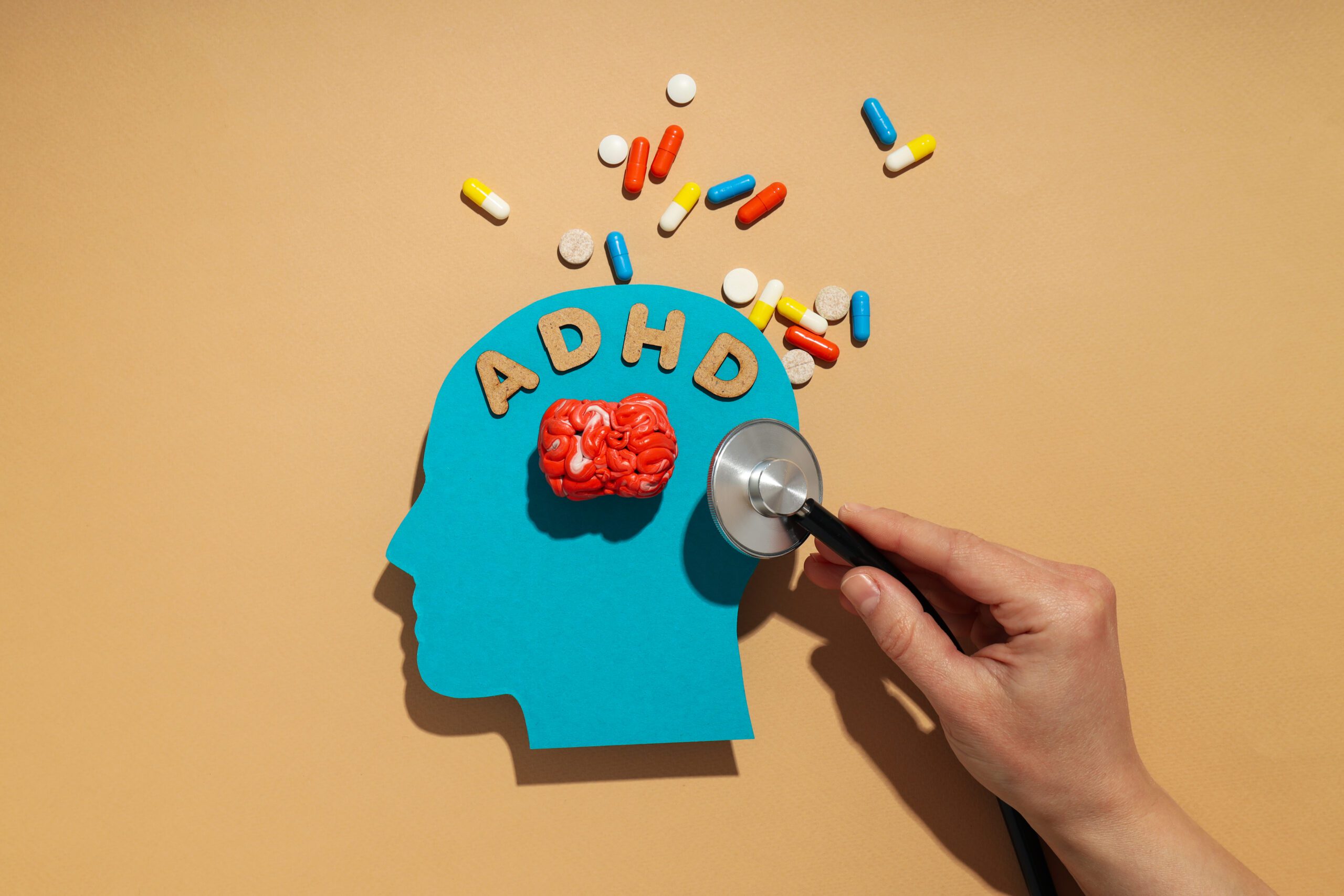
Mental illnesses affect the way you think, feel and behave. They can cause stress and make it hard to function at home, school or in the workplace. They are serious medical conditions that can be treated with therapy or medication. The first step is to determine the cause. Then how to get a mental health diagnosis will be able to decide what treatment options are best for you.
Mental health and psychiatric disorders influence each other. Mental illness can result in to a decline in emotional and cognitive function as well as a lack of mental health may lead to social interaction problems. It is important to identify and treat both of these disorders since they can have a devastating effects on your life.
Many researchers now see mental health in a broader sense that goes beyond the absence of disease or dysfunction. This new perspective is based on positive feelings and thriving. It also focuses on quality of life which is reflected in the eudaimonic and hedonic theories of happiness. This new model is becoming more accepted in public health policy. It is crucial to develop policies that address the full range of mental health needs.
The current focus on mental health is a welcome break from the previous emphasis on disability and disease. It is crucial to address the underlying causes of mental illness, and work towards eliminating stigma. Discrimination and stigma are barriers to care and can prevent people from getting assistance when they need it. To help reduce the stigma, organizations such as Changing Minds have been formed to educate the public on mental health issues and provide support for those suffering from mental illness.
Social well-being
Mental health is a complicated issue that affects both people who suffer from mental illness and those without one. It affects a person's ability to manage stress as well as relationships and work, as well as their general happiness. Mentally ill people are often considered to be a target of discrimination and stigmatization, which can negatively impact their quality of living. It is important to know the symptoms and signs so that you can get help when you need it.
While there isn't a definitive definition of mental health, a lot of experts use the term to describe the state of mind in which an individual is aware of the capabilities of themselves and is able to work productively and fruitfully, and can make a contribution to society. Additionally, someone with good mental health can bounce out of difficult situations. This is referred to as resilience.
There are many ways to measure and improve mental health. Of these, the World Health Organization (WHO) has created a set of essential dimensions that are used in various settings and countries. These include a person's sense of control over their environment, the ability to withstand stress, and the willingness to seek help for psychological anxiety. The WHO has developed a mental well-being definition that focuses on emotional, psychological and functional capabilities. This notion is influenced by eudaimonic traditions and hedonic ones, which focus on positive emotions and higher functioning. This can exclude people who are unable to achieve their goals, those suffering from mental illnesses and others who are deemed to be socially excluded.
Mental disorders are the leading reason for disability, morbidity and death in the world. They are often linked to other medical conditions, and may contribute to unemployment, poverty and a lack of social support. In addition they can cause lower outcomes in education and employment, aswell being a lower life duration. In how to get a mental health diagnosis , these disorders can be treated and prevented with the appropriate support services.
Building solid relationships with other people can enhance mental health. This is especially relevant for those who have had traumatic or difficult experiences in their lives. Being connected to a healthy, stable network can improve your feelings of happiness as well as increase your resilience in the face of hardship. Additionally, it may reduce the risk of certain diseases, like dementia.
Physical Well-Being
A person's physical health can have a direct effect on their mental health. It is the ability to eat nutritious food, exercise regularly, and receive preventative medical care for injuries and illnesses. A healthy sleep routine is also important, as is the awareness of social activities. People who are physically inactive are more likely to be unhappy and have a tougher time coping with the stresses of daily life. Additionally, those with poor mental health tend to neglect their physical health and avoid regular tests that can reveal serious health conditions, such as heart disease or diabetes.
Mental health issues can impact the daily activities of a person at home, work and school. These disorders include anxiety, depression and bipolar disorder. They can also interfere with a person's relationships and result in substance abuse. Although it is not uncommon to see people suffer from these symptoms, obtaining a diagnosis and treatment is the first step towards improving mental health. Psychotherapy and medication are two treatment options.
There is a growing awareness that physical health and mental well-being are linked. Many of those who are treated for mental disorders have reported improved physical health. People who manage their conditions by taking medication, psychotherapy and other psychosocial treatment are more likely than those who don't seek treatment to live a longer life.
Contrary to the myth that one "is perfectly fine" if they're not anxious or depressed, it is essential for mental health disorders like anxiety, depression and bipolar disorder be recognized and treated. People suffering from these disorders typically aren't able to recognize their symptoms and seeking treatment, as they are often marginalized by their peers and the general public. However, the fact is that the majority of these diseases can be treated, and the advantages of seeking treatment far outweigh the negative consequences.
There is a growing recognition that there are a variety of methods and philosophies to improve mental health. These methods are usually based on positive psychology and are focused on emotional wellbeing as well as the capacity to enjoy life's pleasures as well as the flexibility to deal with the challenges of life.